 how-to
How to Reduce Rental Vacancy Rates: 7 Proven Steps
Table of Contents
- Step 1: Calculate Your Rental Vacancy Rate and Set a Benchmark
- Step 2: Screen Prospective Tenants Thoroughly
- Step 3: Develop a Rental Pricing Strategy That Attracts Qualified Applicants
- Step 4: Create Compelling Rental Listings and Property Marketing
- Step 5: Implement Tenant Retention Strategies Before Lease Expiration
- Step 6: Reduce Vacancy Costs Through Property Maintenance and Improvements
- Step 7: Simplify Your Leasing Process and Track Days Vacant
- Frequently Asked Questions
Last Updated: October 12, 2026
Step 1: Calculate Your Rental Vacancy Rate and Set a Benchmark
Your rental vacancy rate is the percentage of time your property sits empty between tenants. To reduce rental vacancy rates, know your current rate and how it compares to the market.
Divide vacant days by 365, then multiply by 100: 30 empty days in 2025 is an 8.2% rate, your baseline.
Research your local market: competitive areas typically see 5-7% vacancy, while student housing runs higher due to seasonal turnover.
Set a realistic but ambitious target: if you're at 12%, aim for 8% within 12 months, and document both in writing.
We help property owners track these metrics automatically, so you can spot problems early and adjust before vacancy costs pile up.
Step 2: Screen Prospective Tenants Thoroughly
Thorough tenant screening prevents vacancy caused by evictions, lease breaks, and problem tenants.
Run a background check on every applicant covering criminal history, credit score, and eviction records.
Verify income. Most landlords require income of at least 30 times the monthly rent. Request recent pay stubs, tax returns, or an employment verification letter.
Call previous landlords and ask: Did they pay on time? How long did they stay? Would you rent to them again?
Check references from employers and personal contacts. This catches inconsistencies, someone who claims five years at a company but can't provide a verifiable reference is a concern.
Document everything: applications, background reports, decision criteria, and reasons for any rejection. This protects you legally and keeps standards consistent.
Step 3: Develop a Rental Pricing Strategy That Attracts Qualified Applicants
Pricing is the single biggest lever on vacancy, and most owners treat it as a feeling rather than a calculation. The right question is not "what do I want to earn?" but "what does another vacant week cost me, and is a rent cut cheaper than waiting?"
Run the vacancy-cost math before you set a price
Divide your monthly rent by 30 for a daily carrying cost: a $1,500 unit loses about $50 per day empty. Add ongoing costs, utilities, insurance, property taxes, HOA dues, which at $300 per month is another $10 per day. Your true daily vacancy cost is roughly $60.
That number reframes every pricing decision. Dropping rent by $50 per month costs $600 over a 12-month lease, while holding out costs $60 for every extra empty week, ten weeks of stubbornness erases the annual gain.
Build a real comparable set, not a guess
Pull at least six to ten active listings matching your unit on bedrooms, bathrooms, square footage, condition, and neighborhood. Note each one's asking rent, days on market, and whether it has been repriced. A listing that sat 45 days and dropped its price twice signals the original number was wrong; one that rented in five days was probably underpriced.
Weight active listings more heavily than closed rents from last season, since asking rents move faster and last year's comps can be stale by 5-10% in a shifting market.
Price for the tenant you actually want
A rent 5-10% below the comparable set shortens days on market and widens your applicant pool, letting you be pickier on credit and rental history. A rent 10% above the set does the opposite, filtering for applicants who cannot qualify elsewhere, the tenants most likely to break a lease or fall behind.
Consider your property's features when placing yourself in the range. In-unit laundry, assigned parking, a fenced yard, or a recent kitchen update justify the top; dated finishes, shared laundry, or street-only parking push you to the bottom.
Handle concessions deliberately
Free-rent specials are not automatically wrong, but they attract applicants optimizing for the lowest upfront cost rather than the best long-term home. If you use a concession, prefer a smaller monthly discount spread across the lease term over a single free month up front, that keeps effective rent predictable and reduces the odds the tenant leaves when the free month ends.
Test the price with a response-rate check
Once the listing is live, watch inquiry volume for the first 7-10 days. A correctly priced unit generates a steady trickle of qualified inquiries, roughly a handful per week in a normal market. Zero inquiries in a week means you are above the market; a flood within 48 hours, especially from applicants who do not meet your criteria, means you are below it. Adjust in small increments and re-measure rather than making one large cut.
Do not set a price and then refuse to revisit it. The market tells you whether you are right within about two weeks. Treating your first number as final is how units sit for 60 days while comparable listings rent around you.
Step 4: Create Compelling Rental Listings and Property Marketing
How you present your property determines whether prospective tenants even call. A weak listing sits; a strong one generates qualified inquiries quickly.
Write a clear, detailed listing description starting with the property's best feature, location, recent updates, or outdoor space.
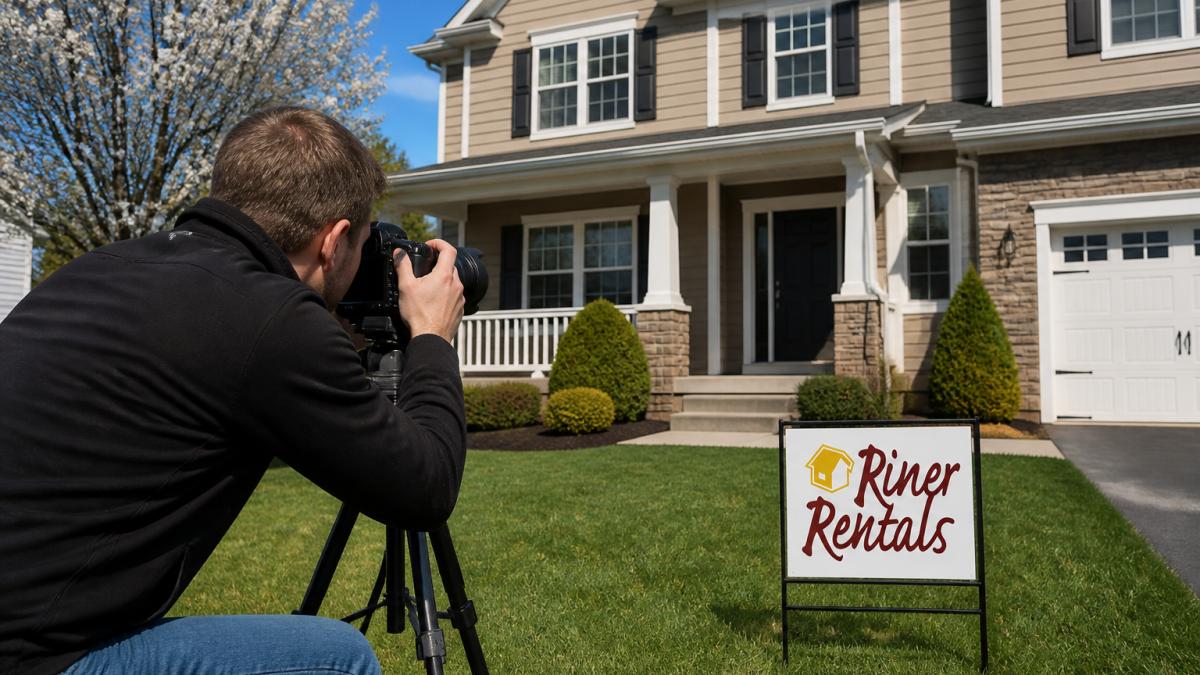
Use professional photos. Hire a photographer to take 15-20 quality images showing every room, natural lighting, and outdoor space.
Post your listing on multiple platforms: your own website, Zillow, Apartments.com, Craigslist, and Facebook.
Respond to inquiries within two hours. Serious applicants contact multiple properties. The landlord who replies first gets the qualified tenant.
Use targeted marketing.
Step 5: Implement Tenant Retention Strategies Before Lease Expiration
Retaining current tenants costs far less than replacing them. The turnover process, vacant days, cleaning, repairs, re-marketing, screening new applicants, drains time and money.
Contact tenants 90 days before lease expiration, before they've decided to leave.
Contact Us Today to Learn More! →
Maintain the property and respond quickly to maintenance requests. A tenant whose repairs get fixed in 24 hours is more likely to renew than one who waits a week.
Communicate regularly with tenants, not just at renewal time. A simple "how's everything going?" email shows you care, and tenants who feel heard stay longer.
Offer incentives for early renewal.
Tenant retention strategies work best when you have systems in place. Automated lease renewal reminders, quick maintenance response tracking, and regular tenant communication prevent surprises at lease end. Without systems, lease expirations catch you unprepared.
Document lease terms clearly. Tenants who know exactly when their lease ends and what renewal looks like are less likely to be surprised. Clarity prevents misunderstandings that lead to move-outs.
Step 6: Reduce Vacancy Costs Through Property Maintenance and Improvements
Vacancy costs accumulate fast: lost rent, utilities, insurance, property taxes, and maintenance on an empty unit. Strategic maintenance and improvements reduce vacancy by making your property more attractive and functional.
Fix obvious problems before marketing. Broken fixtures, outdated paint, and damaged flooring scream neglect and make your unit harder to rent, they don't justify lower rent.
Make strategic upgrades that appeal to your target renter.
Keep the property clean between tenants.
Maintain the property during tenancy. A well-maintained unit keeps good tenants happy and prevents damage that creates vacancy later.
Document all maintenance and improvements. This record shows future tenants you care for the property and justifies your rental rate.
Step 7: Simplify Your Leasing Process and Track Days Vacant
The gap between one tenant moving out and the next moving in is where vacancy is won or lost. A tight operator runs it in 7-14 days; a loose one takes 30-45. The difference is sequencing, not effort. Here is a week-by-week turnover timeline plus the metrics that show where it breaks down.
The turnover timeline
Weeks 8-6 before move-out. Confirm the move-out date in writing.
Weeks 5-3 before move-out. List the unit as "available" with the move-in date clearly stated.
Week 2 before move-out. Confirm the approved applicant's move-in date and collect the holding deposit.
Move-out day. Do the walk-through with the tenant present if allowed. Document condition with dated photos.
Days 1-3 after move-out. Clean, paint touch-ups, and complete repairs.
Days 3-5. Final photos of the empty, clean unit. Update the listing with fresh images.
Days 5-10. Sign the lease, collect first month's rent and deposit, and hand over keys.
Pre-leasing is the highest-leverage step in this timeline. Every day you have an approved tenant waiting before the current one leaves is a day of vacancy you never pay for. Start marketing 6-8 weeks out, not the day the unit empties.
Track the metrics that show where the process leaks
Days vacant is the headline number, but it does not tell you why a unit sat. Track four metrics on every turnover to see exactly where the process is slow:
- Lead-to-tour rate. Of the people who inquire, how many actually schedule a showing? A low rate usually means the listing photos or price are off.
- Tour-to-application rate. Of the people who tour, how many apply? A low rate means the unit shows worse than it photographs, or the price feels high in person.
- Application-to-approval rate. How many applicants pass screening? A low rate means your criteria are mismatched to the price point or the marketing channel.
- Days vacant per turnover. The bottom line. Compare it month over month and against your own target.
If leads are high but tours are low, fix the listing. If tours are high but applications are low, fix the price or condition. If applications are high but approvals are low, revisit your screening criteria or advertising. Each metric points to a different fix, which is why tracking only days vacant leaves you guessing.
Make the paperwork invisible
Have the lease, application, and screening forms ready before you show the unit, and use digital signatures so an approved applicant can sign the same day. Set a clear decision date and tell every applicant what it is, urgency moves qualified applicants forward and filters out those still shopping.
Send a move-in packet the day the lease is signed: utility setup, parking and trash details, maintenance request process, and first-month rent confirmation. A tenant who arrives prepared moves in smoothly; one who arrives confused generates early problems that turn into early lease breaks.
A turnover is a project with a schedule, not a series of tasks you get to when you can. Pre-lease early, book trades before move-out day, and track lead-to-tour and tour-to-application conversion. The operators with the lowest vacancy are not working harder, they are sequencing better.
Frequently Asked Questions
How do you calculate a rental property's vacancy rate?
Divide the total number of vacant days across all units by the total number of days in the period, then multiply by 100. For example, if one unit was vacant 30 days in a 365-day year, your vacancy rate is 8.2%. Track this monthly to spot trends and compare against your local market benchmark. Most markets target a 5-10% vacancy rate as healthy.
What is the ideal rental vacancy rate for property owners?
A 5-7% vacancy rate is considered healthy for most markets, accounting for normal tenant turnover and leasing time. Rates below 3% may signal underpriced units or an extremely tight market; rates above 10% indicate pricing, marketing, or tenant satisfaction issues. Your target depends on local market conditions and your property type, student housing typically sees higher turnover than family units.
How long does it typically take to fill a rental vacancy?
Most vacancies fill within 14-30 days with effective marketing and screening. Days on market depends on price competitiveness, property condition, listing quality, and local demand. Student housing and properties near colleges may fill faster during peak leasing seasons (January-March, August-September) but slower during off-season. Tracking your average days vacant helps identify whether your pricing or marketing needs adjustment.
What improvements help a rental property attract tenants and reduce vacancy?
Fresh paint, updated appliances, reliable HVAC systems, and good lighting are high-ROI improvements that reduce vacancy and justify competitive rent. Curb appeal matters, landscaping and professional photos boost inquiries. For student housing, in-unit laundry and high-speed internet are major draws. Prioritize repairs that affect safety and function over cosmetic upgrades; a well-maintained unit reduces turnover costs and lost rent far more than minor aesthetic changes.