 ultimate-guide
Rental Property Maintenance Checklist 2026
Table of Contents
- Why Rental Property Maintenance Matters
- Core Systems: HVAC, Plumbing, and Electrical Inspections
- Seasonal Rental Property Maintenance Tasks
- Exterior and Structural Protection
- Building Your Rental Maintenance Schedule
- Landlord Maintenance Responsibilities and Safety Compliance
- Rental Property Inspection Checklist and Documentation
- Prioritizing Maintenance by Urgency and Risk
- Frequently Asked Questions
Last Updated: October 9, 2026
Why Rental Property Maintenance Matters
A well-maintained rental property is the foundation of a successful investment. Preventative maintenance reduces emergency repairs, extends system lifespans, and keeps tenants satisfied.
Properties with consistent maintenance schedules outperform those handled reactively. When systems fail without warning, you lose rental income, face higher contractor costs, and risk tenant turnover.
Most landlords struggle to know what to inspect, when, and how to document findings.
Core Systems: HVAC, Plumbing, and Electrical Inspections
Your building's core systems, heating, cooling, water, and electricity, demand the most attention. They're expensive to replace and dangerous when neglected. Regular inspection prevents catastrophic failures and keeps your property compliant with safety standards.
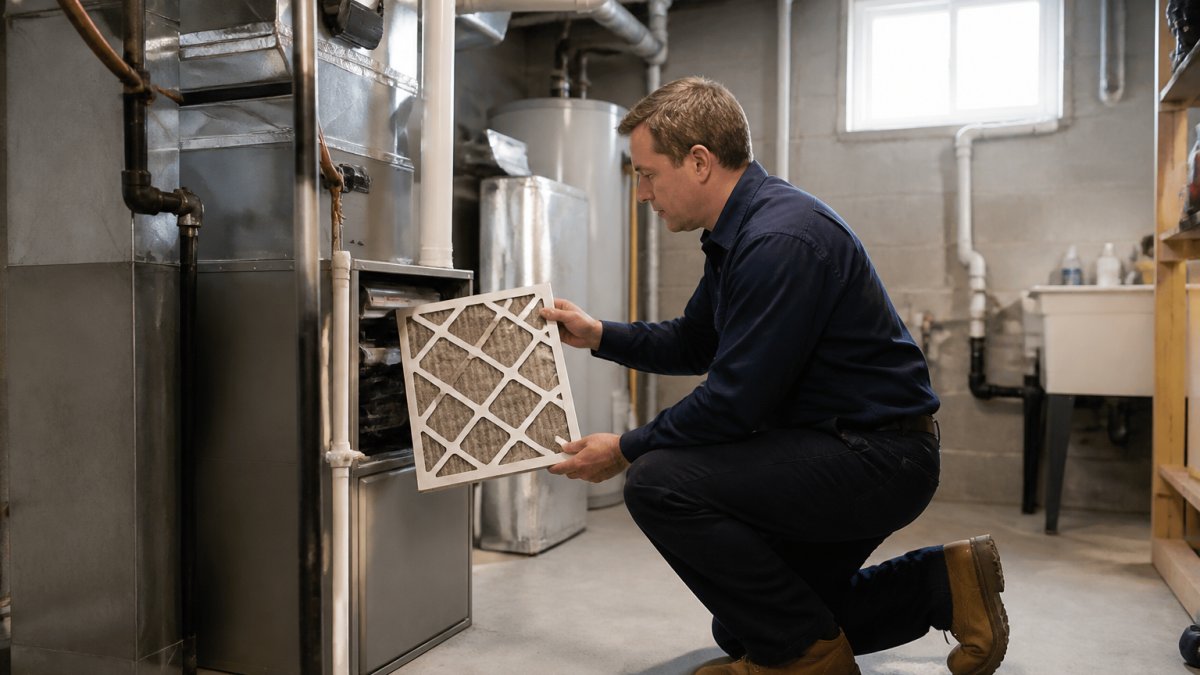
HVAC Servicing and Air Filter Replacement
The HVAC system is your most critical mechanical asset, keeping tenants comfortable and preventing freeze-ups that damage pipes.
Schedule HVAC servicing twice yearly: before the heating season (fall) and before the cooling season (spring). A licensed technician inspects the furnace or heat pump, checks refrigerant levels, cleans coils, and tests controls.
Document every service call, including technician visits, parts replaced, and dates. This protects you in disputes and helps plan replacements.
Plumbing, Leaks, and Exposed Pipe Checks
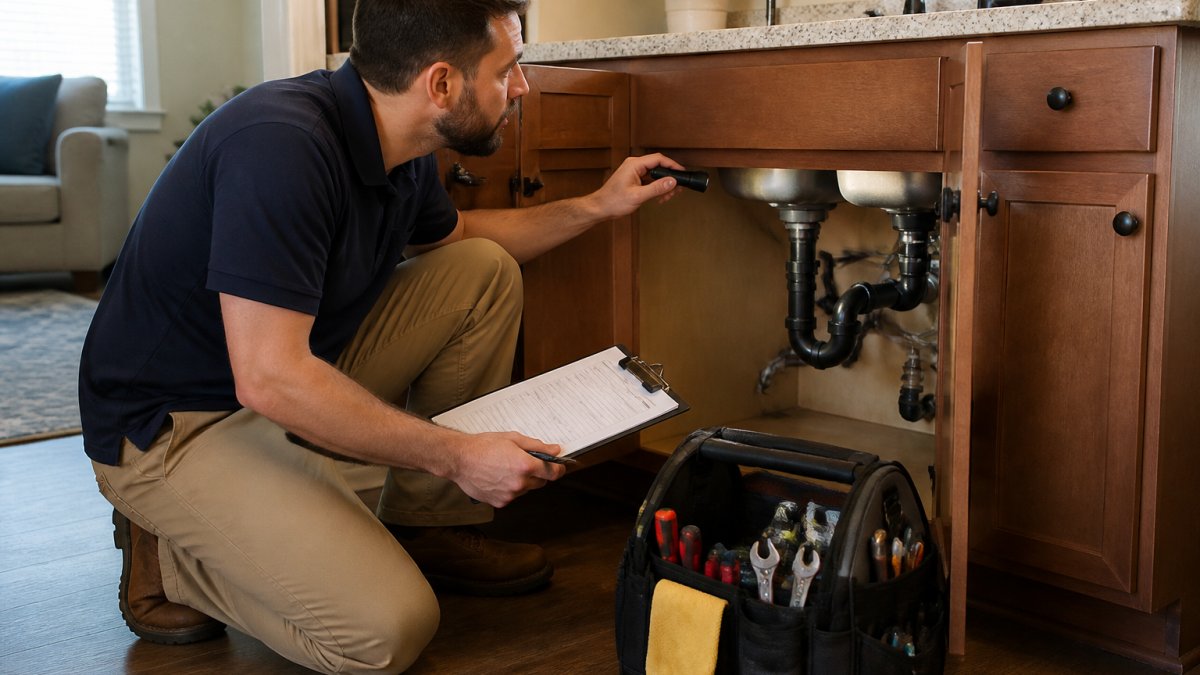
Water damage is one of the costliest problems a landlord faces. Monthly plumbing inspections catch small leaks before they become disasters. Check under sinks for moisture and mold.
Inspect exposed pipes in basements or utility areas for corrosion, rust, or mineral buildup. Galvanized pipes may fail without warning, and copper can develop pinhole leaks.
Test all water shut-off valves annually and show tenants where the main shut-off is located.
Electrical Systems and Safety Verification
Electrical hazards are invisible until they cause fires or shocks. Annual inspections by a licensed electrician identify outdated wiring, overloaded circuits, and code violations.
Test all GFCI outlets monthly, especially in kitchens and bathrooms; they shut off power on a ground fault, preventing electrocution.
Older properties may have aluminum wiring, a fire hazard. If present, hire an electrician to assess replacement. Document all electrical work and keep permits on file.
Seasonal Rental Property Maintenance Tasks
Seasonal maintenance prevents weather-related damage and prepares systems for each season's demands. A structured rental property maintenance schedule aligned with seasons catches problems before they become emergencies.
Spring and Summer Priorities
Spring is the time to recover from winter damage.
Inspect the exterior for cracks in foundation, siding, or masonry, small cracks widen and allow water infiltration. Caulk gaps around windows and doors, and replace worn weatherstripping.
Summer brings heat stress to HVAC systems.
Landscaping maintenance prevents pest entry and water problems. Trim tree branches away from the roof and siding. Cut grass regularly. Remove standing water sources where mosquitoes breed.
Fall and Winter Preparation
Fall is the critical preparation window before cold weather.
Check attic ventilation and insulation. Proper ventilation prevents ice dams. Adequate insulation reduces heating costs and prevents moisture buildup.
In winter, monitor for ice dams, which form when heat escapes through the roof, melting snow that refreezes at the eaves and backs water up under shingles.
Exterior and Structural Protection
The building envelope, roof, walls, windows, and doors, protects everything inside. Exterior damage leads to interior water damage, mold, and structural problems, so regular inspection prevents expensive failures. Proactive oversight of these structural elements requires a structured exterior maintenance plan to ensure that minor weathering does not escalate into significant capital repairs.
Roof, Gutters, and Drainage Inspection
The roof is your property's first defense against weather.
Gutters and downspouts channel water away from the foundation. Clogged gutters overflow, damaging siding and creating foundation problems.
Ensure downspouts extend four to six feet from the foundation so water drains away rather than pooling.
Document roof condition with photographs. When shingles reach the end of their lifespan, plan for replacement, a failing roof damages everything below it.
Windows, Doors, Insulation, and Weatherproofing
Windows and doors are points of air leakage and water infiltration. Inspect weatherstripping and caulking annually. Replace worn weatherstripping.
Doors should close securely without gaps. Check the threshold for damage. Exterior doors should have proper weatherstripping and sweeps to block drafts.
Insulation keeps heating and cooling costs down and prevents moisture problems.
Thermal imaging can identify insulation gaps and air leaks; many utility companies offer it free or discounted.
Building Your Rental Maintenance Schedule
A documented maintenance schedule turns random tasks into a system, preventing emergencies and reducing costs. The rental property maintenance checklist should be specific to your property and climate.
Monthly Inspection Frequency and Task Tracking
Monthly inspections are the backbone of preventative maintenance. Walk through the property noting changes, water stains, cracks, unusual odors, or pest signs, and photograph any concerns.
Monthly tasks include air filter checks, GFCI outlet testing, and visual inspection of plumbing under sinks.
Create a master checklist customized to your property type, age, and local climate.
Assign responsibility: if you self-manage, set calendar reminders; if you use a property manager like Riner Rentals, verify they follow a documented maintenance schedule.
Move-In and Move-Out Inspection Protocols
Move-in and move-out inspections protect you and your tenants.
Have tenants sign the inspection report to create a record of condition at the start of tenancy, and use the same checklist at move-out to identify new damage.
Move-out inspections should happen within 24 hours of departure.
Create a standardized move-in and move-out checklist covering every room and system, including appliance, flooring, and wall condition plus fixture functionality. Consistency protects you legally.
Landlord Maintenance Responsibilities and Safety Compliance
As a landlord, you have legal obligations to maintain your property. These vary by jurisdiction but universally require habitable conditions. Understanding your responsibilities prevents legal problems and protects tenants.
Smoke and Carbon Monoxide Detector Testing
Smoke and carbon monoxide detectors save lives, and you're legally required to provide functioning detectors in rental properties.
Detectors last 8-10 years; replace them at that age even if they still function. Document all tests and replacements, and give tenants instructions on testing detectors themselves.
Carbon monoxide detectors are required with fuel-burning appliances: furnaces, water heaters, fireplaces, or stoves. Install them near bedrooms, test monthly, and replace as recommended by the manufacturer.
Tenant Maintenance Requests and Emergency Response
Tenants will report maintenance issues, respond promptly.
Create a system for tenants to report maintenance, a phone number, email, or online portal.
Some maintenance is the tenant's responsibility: changing light bulbs, replacing furnace filters if specified in the lease, or minor repairs. Clearly define these responsibilities in your lease.
For urgent issues outside business hours, have an emergency contact available. A 24/7 maintenance line ensures problems get addressed quickly. Riner Rentals provides 24/7 maintenance request handling.
Rental Property Inspection Checklist and Documentation
Documentation is your protection. Written records prove you maintained the property, responded to issues, and followed safety requirements, supporting you in tenant disputes or insurance claims.
Interior Condition Assessment
Monthly interior inspections track property condition. Walk through each room noting walls, ceilings, flooring, and fixtures, and look for water stains, mold, pest signs, or damage.
Check appliances for functionality, refrigerators, stoves, dishwashers, and note repairs needed. Document the condition of cabinets, countertops, and sinks.
Inspect bathrooms for mold, water damage, or fixture issues.
Assess bedrooms and living areas for structural issues, pest signs, or damage. Check closets for moisture or mold, and verify windows and doors secure properly.
Maintenance Records and Digital Workflows
Keep detailed records of all maintenance: date, work description, contractor information, cost, and completion date. These prove you maintained the property and help plan future expenses.
Digital workflows simplify maintenance management. Property management software tracks requests, schedules tasks, and generates reports, reducing missed deadlines and providing documentation automatically.
Create a maintenance budget from historical data.
Share maintenance documentation with tenants when appropriate. Transparency builds trust, and tenants appreciate knowing you're maintaining the property professionally.
Prioritizing Maintenance by Urgency and Risk
Not all maintenance is equally urgent. Prioritizing by urgency and risk prevents emergencies and manages costs effectively.
Safety hazards are always top priority. Electrical hazards, gas leaks, structural problems, and pest infestations require immediate attention, they endanger tenants and expose you to liability.
System failures affecting habitability come next.
Preventative maintenance comes third. Regular filter changes, roof inspections, and system servicing prevent emergencies, less urgent but critical for long-term property health.
Cosmetic issues are lowest priority.
Maintaining a rental property requires discipline and systems, not just good intentions. Let us handle the complexity of property maintenance so you can focus on your investment returns. APPLY ONLINE to see how professional maintenance management protects your rental income and property value.
Frequently Asked Questions
What should be included in a rental property maintenance checklist?
A comprehensive rental property maintenance checklist covers HVAC servicing and filter replacement, plumbing and leak inspections, electrical system safety checks, smoke and carbon monoxide detectors, roof and gutter inspection, windows and doors, walls and ceilings, flooring condition, appliances, pest prevention, and landscaping. Organize tasks by frequency: monthly, seasonal, and annual. Document each inspection with photos and notes to track property condition over time and support tenant disputes or insurance claims.
How often should landlords inspect a rental property?
Conduct routine inspections at least quarterly, with additional move-in and move-out inspections before and after each tenant. Monthly walkthroughs catch small issues before they become costly repairs. Seasonal inspections before winter and summer prepare the property for temperature extremes. More frequent checks are appropriate for student housing or properties with high turnover. Document all inspections in writing and provide tenants with advance notice as required by local law.
Who is responsible for maintenance when renting a house?
Landlord maintenance responsibilities include structural repairs, HVAC servicing, plumbing, electrical systems, roof maintenance, and appliances included in the lease. Landlords must ensure the property meets habitability standards and fire safety codes. Tenants typically handle minor upkeep like light bulbs and filter changes. Your lease should clearly define which party handles specific tasks. Consult local landlord-tenant laws, as responsibilities vary by jurisdiction and can affect liability if maintenance is neglected.
What are common reasons for failing rental inspections?
Properties fail inspections due to deferred HVAC maintenance, water damage from plumbing leaks, electrical hazards, inoperable smoke detectors, structural issues in walls and ceilings, pest infestations, missing weatherproofing, and poor drainage around gutters. Non-functional appliances, mold, and inadequate insulation also trigger failures. Preventative maintenance catches these problems early. Keep detailed inspection records to prove you addressed issues promptly and protect yourself against liability claims.
Which rental property maintenance tasks should be done seasonally?
Spring and summer tasks include gutter cleaning, landscaping maintenance, AC servicing, and checking for water damage. Fall priorities are heating system servicing, weatherproofing windows and doors, and clearing gutters of leaves. Winter focuses on pipe insulation to prevent freezing, roof snow removal, and ensuring heating systems work reliably. Seasonal maintenance prevents emergency repairs and extends equipment life. Schedule these tasks before peak seasons to avoid gaps in tenant comfort or safety.
How should landlords handle emergency maintenance requests?
Establish a clear process for tenants to report emergencies (phone, email, or portal). Respond immediately to issues affecting safety, habitability, or preventing water damage: burst pipes, electrical hazards, gas leaks, heating failure in winter, and AC failure in summer. Document the request, response time, and resolution. Many jurisdictions require landlords to address urgent repairs within 24-48 hours. Having a trusted contractor network and 24/7 response protocol protects your property and reduces liability.
What maintenance should landlords do regularly to prevent costly repairs?
Replace HVAC air filters every 1-3 months, service heating and cooling systems annually, inspect plumbing for leaks monthly, test smoke and carbon monoxide detectors quarterly, clean gutters twice yearly, and check windows and doors for weatherproofing damage. Preventative servicing of major systems costs far less than emergency repairs or replacements. Keep maintenance records to demonstrate diligence and protect your investment. Regular inspections catch small problems before they escalate into water damage, structural issues, or safety hazards.
What are red flags for tenants during move-in inspection?
Red flags include missing or non-functional smoke detectors, visible water stains or mold, electrical outlets that don't work, plumbing leaks or exposed pipes, cracks in walls and ceilings, pest evidence, broken windows or doors, inoperable appliances, and inadequate heating or cooling. Document all pre-existing damage with photos and written notes before the tenant moves in. This protects you from disputes over security deposits and establishes baseline property condition. Require tenants to sign the move-in inspection report.