 how-to
Student Housing Management Tips 2026
Table of Contents
- Master the Academic-Year Leasing Cycle
- Build Your Student Housing Turnover Checklist
- Create an Effective Student Housing Move-In Checklist
- Implement Student Rental Property Maintenance That Prevents Damage
- Deploy Student Housing Marketing Strategies That Fill Units Fast
- Screen Tenants Rigorously and Manage Roommate Dynamics
- Track 2026 Benchmarks That Matter
- Frequently Asked Questions
Last Updated: October 11, 2026
Master the Academic-Year Leasing Cycle
The academic-year leasing cycle is the backbone of student housing management. Unlike traditional residential rentals, student housing operates on a predictable calendar tied to school semesters.
Understanding this rhythm matters because it shapes everything else you do. Your marketing timeline, maintenance scheduling, tenant screening, and cash flow all depend on getting the academic calendar right.
Here's what the cycle looks like in practice:
- Spring (February-April): Peak leasing season. Students are deciding where to live next year.
- Summer (May-July): Move-in prep, unit turnover, final lease signings.
- Fall (August-September): Move-in complete. Focus shifts to retention and early maintenance.
- Winter (October-January): Stable occupancy. Time to plan next year's strategy.
Start your marketing push in February. By April, you should have 70-80% of units leased for the next academic year.
The key insight: treat the academic year as your planning anchor. Every major decision flows backward from your August move-in date.
Build Your Student Housing Turnover Checklist
Turnover season is brutal. Units turn fast, and mistakes compound quickly. A comprehensive turnover checklist prevents costly oversights and keeps your timeline on track.
Start with a master checklist that covers every unit touchpoint. This isn't a casual to-do list, it's a project management tool. Assign ownership to specific team members. Track completion dates. Flag delays immediately.
Here's what your checklist should include:
- Inspection & Documentation: Walk the unit with a camera. Document existing damage. Note what needs repair versus what's cosmetic.
- Cleaning: Deep clean carpets, walls, appliances. Replace air filters. Sanitize bathrooms.
- Repairs & Maintenance: Fix broken locks, leaking faucets, damaged trim. Replace damaged flooring if needed.
- Painting: Touch up walls. Full paint if the unit looks worn.
- Appliance Check: Test stove, refrigerator, dishwasher, washer, dryer. Replace if they're unreliable.
- Safety & Compliance: Check smoke detectors, CO detectors, fire extinguishers. Verify they meet code.
- Utilities & Systems: Test HVAC. Verify heating works. Check water pressure.
- Final Walkthrough: Verify cleanliness, functionality, and move-in readiness.
The timing matters. Most student housing turns between June and August. You have roughly 6-8 weeks to turn 50-100+ units. That's 1-2 weeks per unit if you're efficient. Start early. Don't wait until July to begin inspections.
Create an Effective Student Housing Move-In Checklist
Move-in day is chaotic. A structured move-in checklist keeps it organized and protects you from disputes later. Do this right and you'll catch problems before residents move in.
Your move-in checklist should be detailed and documented. Take photos. Have the resident sign off. Keep copies.
Here's what to cover:
- Unit Condition: Walk through with the resident. Document any scratches, stains, or damage on a move-in inspection form. Take photos of every room, closets, and appliances.
- Appliance Functionality: Test the stove, oven, refrigerator, dishwasher, washer, and dryer together. Show the resident how they work.
- Utilities: Verify water pressure, hot water, heating, air conditioning. Show the resident where the thermostat is and how to adjust it.
- Safety Equipment: Confirm smoke detectors and CO detectors are present and functional. Show the resident where the fire extinguisher is.
- Keys & Access: Hand over all keys. Verify door locks work. Provide garage door codes if applicable.
- Parking: Explain parking rules, permit requirements, and reserved spots.
- Lease Review: Walk through key lease terms: quiet hours, guest policies, maintenance request procedures, and rent due dates.
Have the resident sign the move-in inspection form. Give them a copy. This document protects you both. It establishes baseline conditions and prevents disputes about pre-existing damage at move-out.
Many student renters are new to renting. Take time to explain how to report maintenance issues, how to pay rent, and what happens if rent is late.
Implement Student Rental Property Maintenance That Prevents Damage
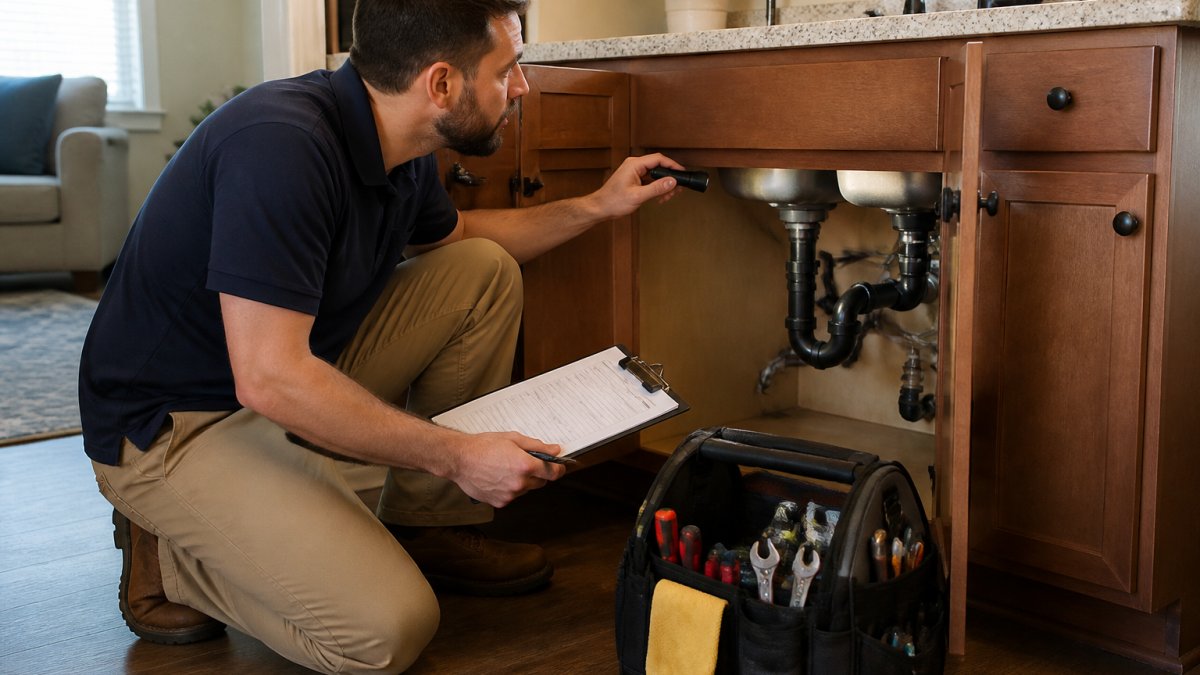
Student rentals take a beating. High turnover, young renters unfamiliar with property care, and shared living situations create wear and tear. Preventive maintenance isn't optional, it's the difference between profitability and constant repairs.
The philosophy is simple: fix small problems before they become big ones. A leaky faucet today is a water-damaged wall in three months. A clogged drain becomes a backed-up bathroom.
Preventive Maintenance Schedules
Set up a preventive maintenance calendar tied to the academic year. Some tasks happen quarterly. Others happen annually. Some happen right after move-out.
- Quarterly: HVAC filter changes, gutter cleaning, exterior inspection for damage, pest control if needed.
- Bi-annually: Deep cleaning of common areas, pressure washing exterior, checking weatherstripping and caulk.
- Annually: Full HVAC inspection, water heater flush, appliance deep cleaning, roof inspection.
- After Move-Out: Deep clean, paint touch-ups, appliance servicing, carpet cleaning or replacement.
Document everything. Keep records of when maintenance was done, what was fixed, and by whom. This protects you if a resident claims the unit wasn't maintained properly. It also helps you identify patterns, if the same appliance fails repeatedly, replace it.
Handling Emergency Repairs Around the Clock
Student housing demands 24/7 responsiveness. A broken heater in January isn't acceptable. A backed-up toilet on move-in day is a crisis.
Set up an emergency repair protocol. Residents need to know how to report emergencies. You need a system to respond quickly. Many properties use a dedicated maintenance hotline or after-hours emergency number.
Here's the framework:
- Response Time: Aim for 24-hour response for non-emergency repairs, 2-4 hours for emergencies like heating failures or water damage.
- Emergency Definition: Anything that makes the unit uninhabitable (no heat, no hot water, major water damage, electrical hazard) or poses a safety risk.
- On-Call Staff: Have someone available after hours. This might be a maintenance staff member, a property manager, or a contracted emergency service.
- Documentation: Log every repair request with the date, time, resident name, issue, response time, and resolution. This creates a record and helps you identify problematic units or recurring issues.
Respond fast. It costs less to fix a small leak than to deal with water damage and an angry resident. It also builds trust. Residents who know you'll respond quickly are more likely to report problems early rather than waiting until they're catastrophic.
Deploy Student Housing Marketing Strategies That Fill Units Fast
Marketing to student renters is different. They search online, rely on peer recommendations, and make decisions quickly. Your marketing strategy needs to reach them where they are and convince them fast.
Campus-Focused Messaging and Mobile-First Tactics
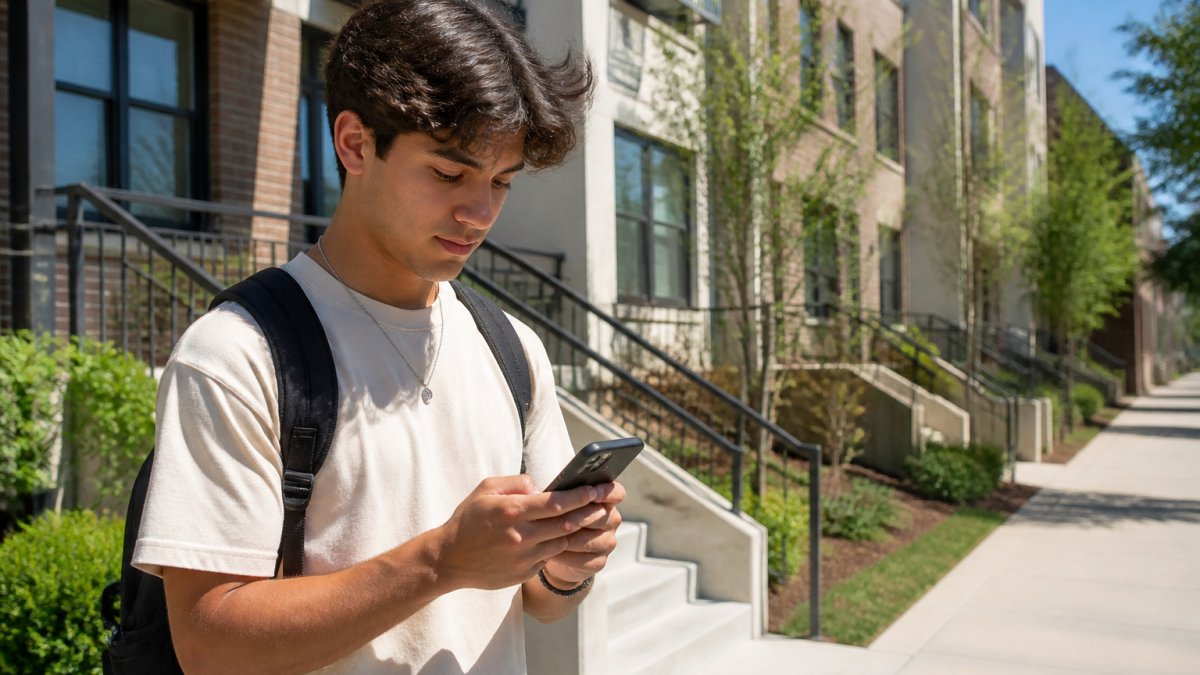
Student renters live on their phones. Your marketing must be mobile-first. That means responsive website design, fast-loading property photos, and easy online application processes. If your website doesn't work on a phone, you're losing renters.
Focus your messaging on what matters to students:
- Location: Proximity to campus, walkability, distance to classes.
- Price: Affordability, what's included in rent, utility costs.
- Amenities: Furnished units, high-speed internet, study spaces, social areas, laundry facilities.
- Community: Social events, resident support, safe environment.
Use campus-focused channels. Post on student Facebook groups, Instagram, and TikTok. Partner with campus housing offices or student organizations. Attend campus events.
Highlight what makes your property different. If you have a strong maintenance response time, say it. If your units are furnished, emphasize it. If you're pet-friendly or offer by-the-bed rentals, lead with that.
Timing Your Marketing Push
Start marketing in February. That's when students begin seriously looking for next year's housing. By April, peak demand is already declining. By June, you're competing for the last available renters, often at lower rates.
Your marketing calendar should look like this:
- January: Soft launch. Teaser content, property photos, early-bird incentives.
- February-March: Full push. Ads, campus outreach, virtual tours, social media blitz.
- April: Maintain momentum. Highlight remaining units, offer incentives for quick decisions.
- May onwards: Shift to move-in logistics and community building.
Run paid ads on Google and social media in February and March. This is when students are actively searching. Ads in May or June are wasted money, most decisions are already made.
Screen Tenants Rigorously and Manage Roommate Dynamics
Tenant screening is your first line of defense against problem renters. Poor screening leads to late payments, property damage, noise complaints, and evictions.
Run background checks on all applicants. Verify income. Check references from previous landlords. A tenant earning $15,000 per year can't afford $1,200 rent.
For student renters, consider their parent or guarantor as a backup. Many students have limited credit history and income.
Roommate dynamics are a hidden challenge in student housing. Conflicts between roommates lead to complaints, lease violations, and turnover mid-year. Some properties screen roommates together to ensure compatibility.
Here's what to address during screening:
- Compatibility Questions: Do they prefer quiet study environments or social gatherings? Are they early risers or night owls? Do they have guests frequently?
- Lease Expectations: Clarify quiet hours, guest policies, shared space rules, and what happens if roommates have conflicts.
- Conflict Resolution: Have a clear process for resolving roommate disputes. Sometimes mediation by management prevents a resident from breaking their lease.
Document everything. Keep screening notes, background check results, and reference checks on file.
Track 2026 Benchmarks That Matter
Data drives better decisions. Track metrics that reveal how your student housing portfolio is performing.
Key metrics to monitor:
- Occupancy Rate: Percentage of units leased. Target 95%+ for competitive markets.
- Lease-Up Speed: How quickly units lease in February-April. Faster lease-up means stronger demand and pricing power.
- Rent Rates: Average rent per unit. Compare year-over-year to measure market trends and your pricing strategy.
- Turnover Cost: Total cost to prepare a unit for a new resident (cleaning, repairs, painting). Track this per unit and in aggregate.
- Maintenance Response Time: Average time between a repair request and completion. Target 24 hours for routine repairs.
- Resident Retention: Percentage of residents renewing leases. Higher retention reduces turnover costs and vacancy risk.
- Late Rent: Percentage of residents paying late. This signals collection issues.
Review these metrics monthly. Share them with your team. Use them to set goals and track progress.
The student housing market is competitive. Properties that track data and respond quickly outperform those that don't.
Managing student housing successfully requires balancing competing demands: rapid lease-ups, efficient turnover, responsive maintenance, and strong tenant screening. The academic-year cycle is unforgiving.
The solution is a systematic approach. Master your leasing calendar. Build detailed checklists for turnover and move-in. Invest in preventive maintenance. Market early and mobile-first.
Riner Rentals has been helping property owners in the Harrisonburg and Rockingham County area manage student housing for over 15 years. From tenant screening to maintenance coordination to financial reporting, we bring expertise and systems to student housing management. APPLY ONLINE to learn how we can simplify your student housing portfolio.
Frequently Asked Questions
What should a student housing move-in checklist include?
A comprehensive student housing move-in checklist must document the unit's condition, utility readings, appliance functionality, and any pre-existing damage. Photograph each room, test HVAC systems, verify locks work, confirm internet connectivity, and review shared spaces. Have the student tenant sign off on the checklist before move-in is complete. This protects you from false damage claims and establishes accountability from day one. Include utility setup instructions and emergency contact procedures.
How can you reduce turnover costs in student housing?
Reduce turnover costs by implementing preventive maintenance during occupancy, conducting thorough move-out inspections to catch damage early, and standardizing your student housing turnover checklist to streamline the process. Focus on quick unit readiness between tenants, negotiate bulk pricing with maintenance contractors, and incentivize lease renewals through responsive management and community events.
When should you start marketing for the next academic year?
Begin student housing marketing strategies 6-8 months before the academic year starts. This timing aligns with when students begin planning their next year's housing. Ramp up campus-focused messaging in January through March when decision-making peaks. Use mobile-first advertising, target student social platforms, and partner with campus housing offices. Early marketing captures committed renters and reduces vacancy risk before the fall move-in rush.
What are the key performance indicators for student housing in 2026?
Track occupancy rate (target 95%+), lease-up velocity (days to fill units), turn time (days between move-out and ready for occupancy), retention rate (percentage of students renewing), and maintenance response time (target under 24 hours for urgent requests). Monitor rent collection rates, utility cost per unit, and resident satisfaction scores. These 2026 benchmarks help identify operational bottlenecks and justify management investments to owners.